
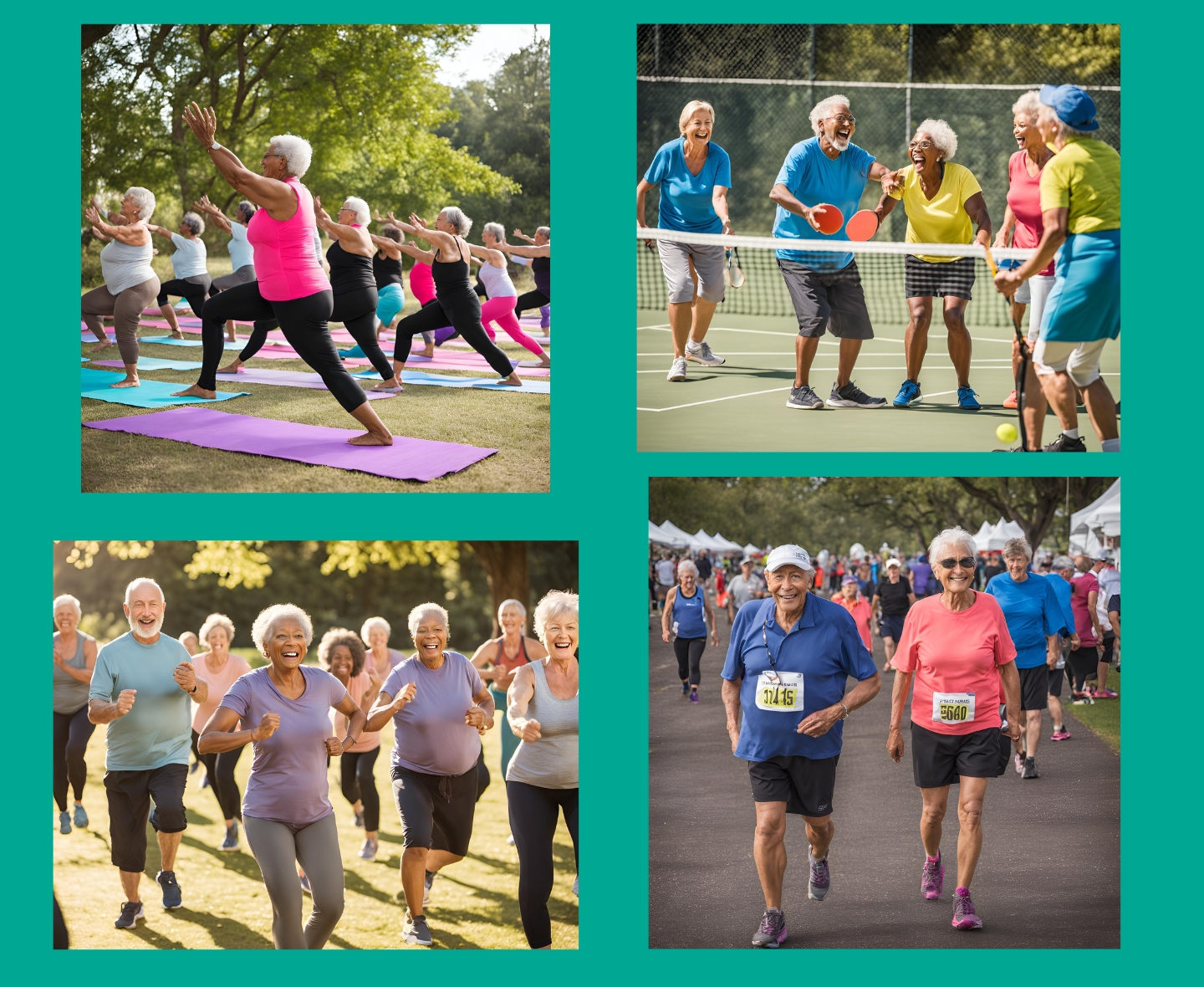
Embrace Active Aging: A Guide to Staying Fit Beyond 50
Are you over 50 and starting to notice changes in your stamina? Just wait until you hit 60! The new middle age offers more opportunities to travel and explore, yet sometimes our bodies seem to hold us back.
You find yourself wanting to climb the stairs to ancient monuments or ride a bike down scenic trails, but your body disagrees. Your mind is eager, yet your body insists, “I’m in charge. Test me, and tomorrow you’ll see why listening to me is wiser than following your adventurous spirit.”
**Why does this happen, and what can you do about it?**
According to medical experts, “Most age-related biologic functions peak before age 30 and gradually decline thereafter. While this decline can be significant under stress, it typically doesn’t affect our daily activities. Thus, it’s often disorders, not normal aging, that cause functional loss during the later years.”1 (https://www.merckmanuals.com/professional/multimedia/table/selected-physiologic-age-related-changes)
This means that instead of reserving movement for vacations, weddings, or occasional long walks, we must incorporate daily activity into our routines. My dad always said, “If you don’t move it, you lose it.”
I recall asking my dad at 84 years old, my uncle at 97, and my aunts who lived to 99, 94, and 99 how they stayed in such great shape. Their secret was simple: they never stopped moving. As farmers, they were in tune with the land and always active. Even in their later years, they volunteered and engaged socially. Sadly, many of their friends who became less active, or isolated, didn’t live as long.
The Power of Movement in Aging
The American health guidelines indicate that fewer than 15% of older adults meet the recommended physical activity levels. Regular physical activity offers extensive benefits that far outweigh the risks such as falls or minor injuries.
**The benefits include:**
– **Extended longevity**, even among smokers and individuals with obesity 2
– **Preserved strength** and endurance, promoting mobility and independence 2
– **Reduced risk of obesity** 2
– **Prevention and management** of numerous health issues like cardiovascular disorders, diabetes, and osteoporosis 2
– **Fall prevention** by enhancing balance and strength 2
– **Improved functional ability** and opportunities for social interaction 2
– **Enhanced well-being** and possibly better sleep quality 2
Physical activity is among the few interventions proven to restore physiologic capacity previously lost to aging. 2
Embrace the opportunity for healthier, vigorous aging. Today, more adults over 65 are maintaining better health than ever before, showing that active aging is achievable and beneficial.
I’ve surveyed friends on how they stay active:
– Some are dedicated walkers
– Others enjoy yoga
– Many love swimming
– Gym enthusiasts persist
– And a growing number have discovered the joy of pickleball
So, find an activity that resonates with you and get moving. Your body and mind will be grateful when it’s time for that next adventure or celebration!
—
**References:**
1. “Selected Physiologic Age-Related Changes,” Merck Manuals. [Link to Table](https://www.merckmanuals.com/professional/multimedia/table/selected-physiologic-age-related-changes)
2. Stefanacci, R. G., “Physical Changes With Aging,” Thomas Jefferson University, Jefferson College of Population Health, Revised Apr 2024.
Leave a Reply